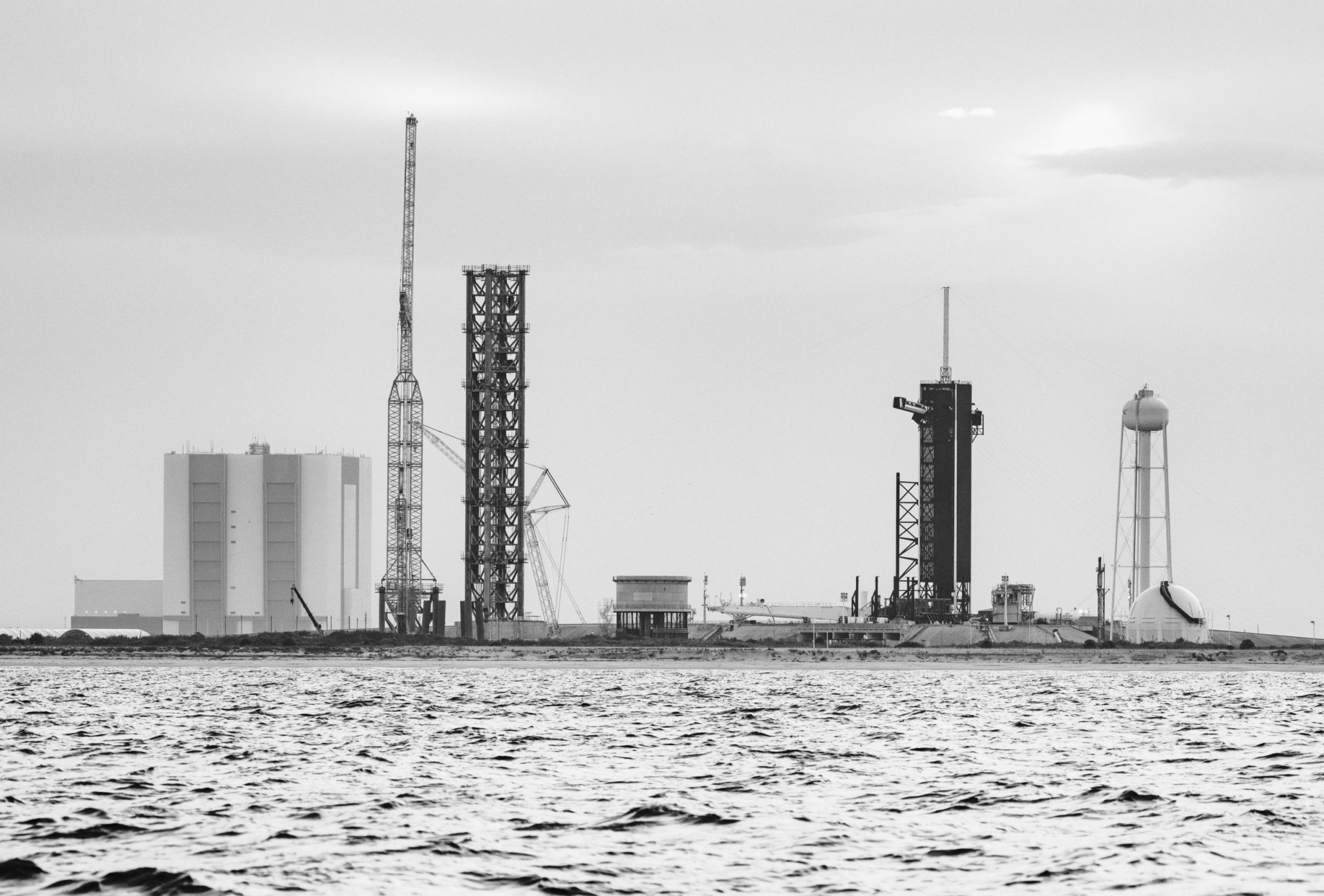

The SpaceX Starship launch has achieved a significant milestone by reaching Earth’s orbit for the first time. This groundbreaking event showcases the advancements in space exploration technology.
Overview of the SpaceX Starship
The recent SpaceX Starship launch marks a significant achievement in the realm of space exploration. Designed to carry both crew and cargo, the Starship is a fully reusable spacecraft that aims to revolutionize interplanetary travel.
With its impressive capabilities, the Starship is equipped to execute a variety of missions, including:
- Satellite deployment: The spacecraft can transport multiple satellites into orbit, enhancing global communication and monitoring.
- Crewed missions: Future launches aim to carry astronauts to destinations such as the Moon and Mars, supporting NASA’s Artemis program and beyond.
- Deep space exploration: The Starship’s design allows it to venture further into the solar system, potentially paving the way for human settlements on other planets.
The successful launch of the Starship into Earth’s orbit is a testament to SpaceX’s commitment to innovation and advancement in aerospace technology. The company continues to push the boundaries of what is possible, with goals to make space travel more accessible and affordable.
As SpaceX moves forward, the implications of the Starship launch extend beyond Earth, inspiring a new era in the exploration of outer space.
What makes the Starship unique?
The SpaceX Starship launch marks a significant breakthrough in space technology and exploration. One of the most remarkable features of the Starship is its full reusability. Unlike traditional rockets that are often discarded after a single use, the Starship is designed to be reused multiple times, significantly reducing the cost of access to space.
Another unique aspect of the Starship is its impressive payload capacity. With the ability to carry over 100 metric tons to low Earth orbit, it opens new possibilities for satellite deployment, deep space missions, and even crewed missions to Mars.
Additionally, the Starship incorporates advanced technologies that enhance its performance and safety. These include:
- Super Heavy Booster: The first stage of the Starship, engineered to provide the immense thrust needed for liftoff.
- Stainless Steel Structure: This material not only provides durability but also reflects heat, aiding in thermal protection during reentry.
- Raptor Engines: Powered by liquid methane and oxygen, these engines are designed for high efficiency and thrust.
Furthermore, the Starship’s ability to refuel in orbit is a game-changer, enabling longer missions and reducing the need to carry excessive fuel from Earth. The combination of these features positions the Starship as a revolutionary platform for future endeavors in space exploration.
Details of the launch
The recent SpaceX Starship launch marks a significant milestone in the journey of space exploration. With its successful ascent into Earth’s orbit, the mission not only showcased the capabilities of the Starship spacecraft but also demonstrated SpaceX’s commitment to pushing the boundaries of aerospace technology.
This historic launch took place on a clear day, with engineers and spectators alike filled with anticipation. The Starship, designed for missions to the Moon and Mars, is equipped with advanced features that set it apart from previous spacecraft. Among its notable characteristics are:
- Reusable design: The Starship is built to be reused multiple times, which can dramatically reduce the cost of space travel.
- Capacity: It can carry a significant payload, making it suitable for launching large satellites and conducting crewed missions.
- Advanced technology: The spacecraft incorporates cutting-edge systems for navigation and communication, ensuring safe and efficient operations.
During the launch, SpaceX successfully deployed several satellites into orbit, showcasing the Starship’s versatility. The mission not only highlighted the spacecraft’s potential for commercial use but also its role in supporting scientific research and exploration efforts.
As SpaceX continues to refine the Starship, the implications for future space missions are vast, paving the way for deeper exploration of our solar system.
Satellites on board
The recent SpaceX Starship launch marked a significant milestone not only for the spacecraft itself but also for satellite deployment in Earth’s orbit. On this historic flight, the Starship carried a diverse array of satellites, showcasing its capabilities and potential for future missions.
Among the satellites on board, several were part of commercial ventures, while others were geared towards scientific research. The payload included:
- Communication satellites: Designed to enhance global connectivity, these satellites will play a crucial role in expanding internet access across remote areas.
- Earth observation satellites: Equipped with advanced imaging technology, these satellites aim to monitor climate change, track natural disasters, and support agricultural planning.
- Experimental satellites: These are designed to test new technologies that could improve future satellite systems, paving the way for advancements in space exploration.
The successful deployment of these satellites during the SpaceX Starship launch demonstrates the spacecraft’s capacity to handle complex missions. This achievement not only highlights SpaceX’s engineering prowess but also sets the stage for a new era in satellite operations, where larger payloads and innovative designs can be utilized more effectively.
As the world watches, the implications of this launch extend beyond commercial interests, fostering collaboration between private companies and governmental organizations in the quest for deeper space exploration.
Future missions planned
The successful launch of the SpaceX Starship marks a significant milestone in space exploration, paving the way for future missions that could redefine our understanding of the cosmos. Following this historic event, SpaceX has laid out an ambitious roadmap for the Starship, focusing on a variety of missions.
Among the planned missions, several key objectives stand out:
- Moon Landings: SpaceX is determined to utilize the Starship for crewed missions to the Moon, supporting NASA’s Artemis program aimed at returning humans to the lunar surface.
- Mars Exploration: The ultimate goal for SpaceX is to establish a sustainable human presence on Mars. The Starship will play a crucial role in transporting astronauts and essential supplies to the Red Planet.
- Satellite Deployment: With its large payload capacity, the Starship will be instrumental in deploying satellites for various commercial and scientific purposes, further expanding global connectivity.
- Interplanetary Travel: Future missions may also include ambitious explorations of other celestial bodies, making interplanetary travel a tangible reality.
As the SpaceX Starship continues to evolve, these planned missions have the potential to transform not only space travel but also humanity’s place in the universe.
Impact on space exploration
The recent SpaceX Starship launch marks a significant milestone in the realm of space exploration, showcasing advancements in technology and engineering. This successful mission not only demonstrates the capabilities of the Starship but also sets the stage for future endeavors in the cosmos.
As space agencies and private companies continue to push the boundaries of exploration, the implications of such launches are profound. The Starship is designed to carry large payloads, making it a game changer for missions aimed at deep space travel, including potential crewed missions to Mars.
Here are a few ways the SpaceX Starship launch impacts space exploration:
- Cost Efficiency: The reusable design of the Starship aims to lower the costs associated with orbital launches, opening up opportunities for more frequent missions.
- Increased Capacity: With its ability to transport multiple satellites and significant cargo, the Starship can support various scientific and commercial missions.
- International Collaboration: The successful launch encourages partnerships between nations and private entities, fostering a collaborative approach to exploring outer space.
- Technological Innovation: Each launch provides valuable data that can lead to further advancements in rocket technology and spacecraft design.
Overall, the SpaceX Starship launch is not just a triumph for the company, but a pivotal moment that could redefine humanity’s journey into the stars.
Reactions from the aerospace community
The recent SpaceX Starship launch has garnered a wave of excitement and praise from experts and organizations within the aerospace community. Many industry leaders believe this momentous event marks a significant step forward in the quest for interplanetary travel and exploration.
Among the notable reactions, NASA Administrator Bill Nelson expressed his enthusiasm, stating, “This launch demonstrates the incredible potential of SpaceX’s capabilities and our partnership in advancing space exploration.”
In addition to NASA, several aerospace companies shared their thoughts:
- Blue Origin: “The success of the Starship reinforces the importance of innovation in our industry. We look forward to seeing how this technology evolves.”
- Lockheed Martin: “The launch signifies a new era in human spaceflight, paving the way for future missions to Mars and beyond.”
- Boeing: “The achievement of SpaceX is a testament to what can be accomplished through dedication and vision in space exploration.”
Many experts also highlighted the significance of the payload carried by the Starship, emphasizing its potential impact on future missions. The successful launch not only showcases the reliability of the spacecraft but also reinforces the collaborative spirit of the aerospace sector.
As the dust settles from this historic launch, the aerospace community looks forward to the next chapter in the journey of the SpaceX Starship.
Conclusion and next steps
As the dust settles on the historic SpaceX Starship launch, the significance of this achievement cannot be overstated. It marks a pivotal moment in space exploration, demonstrating the capabilities of reusable rocket technology and opening new avenues for future missions. The successful launch not only uplifts the aspirations of space enthusiasts but also solidifies SpaceX’s position as a leader in the aerospace industry.
Looking ahead, the implications of this mission are vast. SpaceX plans to utilize the Starship for a variety of upcoming projects, which include:
- Interplanetary missions, particularly to Mars, where the Starship will play a crucial role in human colonization efforts.
- Deploying larger satellite constellations that will improve global internet coverage and enhance communication capabilities.
- Potential collaborations with international space agencies aiming to establish permanent bases on the Moon.
As the aerospace community continues to react positively to the launch, it is clear that the SpaceX Starship launch is merely the beginning. With each successful mission, we move closer to a future where space travel becomes more accessible and routine. The excitement surrounding this milestone serves as a reminder of humanity’s enduring quest to explore the cosmos and the technological advancements that make it possible.
The SpaceX Starship launch marks a significant advancement in our quest to explore the cosmos. With each successful flight, the SpaceX Starship launch brings us closer to realizing the dream of interplanetary travel.
By Charles Boyer via Openverse
Where this came from
Related reading
OpenAI ChatGPT model: Was It Honest and Safe? · 30-Day prepaid recharge: Best Simple Options for Users · SpaceX Starship orbit: Quick boost to space exploration success