
The Northern Lights mission has captured breathtaking images of the auroras like never before. This new space mission offers unprecedented insights into the beauty and dynamics of these natural phenomena.
What is the Northern Lights mission?
The Northern Lights mission is a groundbreaking initiative designed to study and capture the phenomena of auroras with unprecedented detail. Launched as part of an international collaboration, this mission employs advanced satellite technology to observe the Northern Lights from various vantage points in space.
One of the primary goals of the Northern Lights mission is to enhance our understanding of the interactions between solar wind and the Earth’s magnetosphere, which are responsible for creating these stunning light displays. By collecting real-time data and imagery, scientists hope to unravel the complexities of auroras and their influence on space weather.
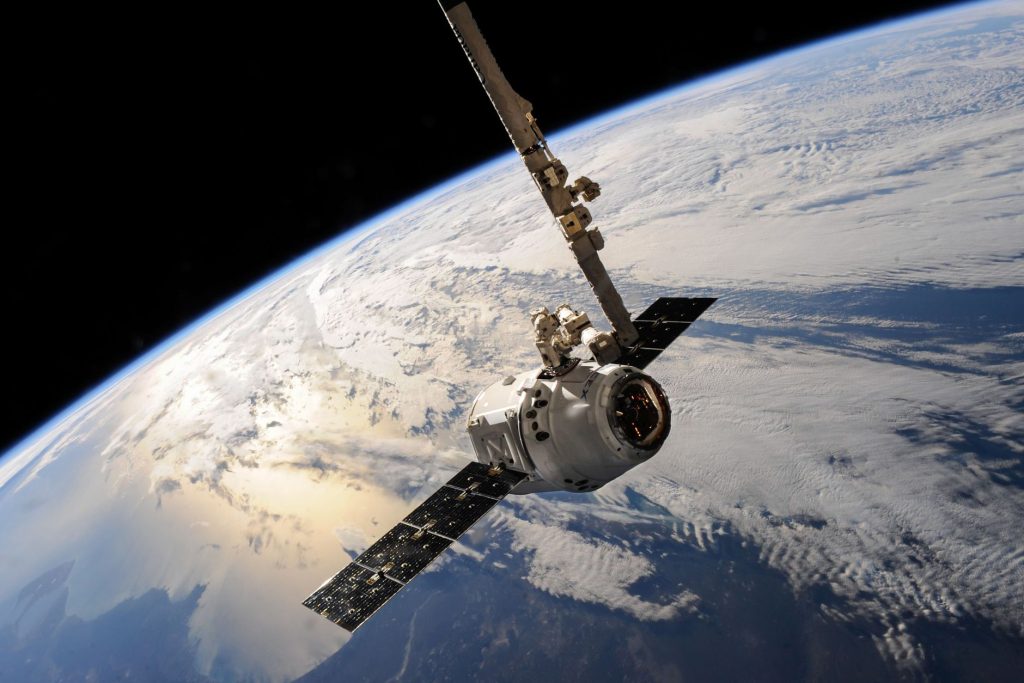
The mission utilizes a fleet of satellites equipped with high-resolution cameras and sensors that can monitor auroral activity across different wavelengths. This allows researchers to analyze the formation and dynamics of the Northern Lights like never before.
Through this innovative approach, the Northern Lights mission aims to provide valuable insights into the effects of solar activity on our planet, potentially improving forecasting models for space weather events. As the mission progresses, it is expected to yield a wealth of information that could benefit both scientific research and practical applications in technology.
How were the images captured?
The Northern Lights mission utilized advanced imaging technology to capture stunning visuals of auroras with unprecedented clarity. This innovative approach involved a combination of satellite-based observations and ground-based instrumentation, allowing scientists to gather comprehensive data.
Key methods used in the capture of images included:
- Multi-spectral imaging: The mission employed cameras that operate across various wavelengths, enabling the detection of different auroral features.
- Real-time data transmission: High-speed communication systems facilitated the immediate transfer of images and data back to Earth for analysis.
- Collaboration with ground stations: Ground-based observatories contributed essential atmospheric data, enhancing the understanding of aurora formation.
- Advanced algorithms: Researchers developed sophisticated algorithms to process and enhance the captured images, resulting in vivid representations of the Northern Lights.
The success of the Northern Lights mission not only showcases the beauty of these natural phenomena but also advances our understanding of space weather and its effects on Earth. The captured images are expected to provide valuable insights for future research and exploration.
Impact of the Northern Lights on Earth
The Northern Lights mission has provided unprecedented insights into the mesmerizing phenomenon known as the aurora borealis. These stunning displays of light have a significant impact on Earth, influencing both the environment and technology.
One of the primary effects of the Northern Lights is their interaction with the Earth’s magnetic field. This interaction can lead to:
- Communication Disruptions: High-frequency radio signals can be affected, causing interruptions in communications.
- Satellite Damage: Increased radiation from solar storms can harm satellites, impacting weather forecasting and GPS navigation.
- Power Grid Vulnerability: Geomagnetic storms can induce currents in power lines, potentially leading to outages.
Additionally, the beauty of the Northern Lights has a profound cultural and psychological impact. Many communities, especially those in northern regions, celebrate the auroras as part of their heritage. The Northern Lights mission not only enhances our scientific understanding but also deepens our appreciation for these natural wonders.
Ultimately, the images captured by the Northern Lights mission serve as a reminder of the dynamic relationship between our planet and the cosmos, emphasizing the importance of ongoing research in space science.
Future of space missions in aurora research
The recent success of the Northern Lights mission opens new avenues for future space missions focused on aurora research. This groundbreaking project has provided scientists with unprecedented images and data, enhancing our understanding of the complex interactions between solar wind and Earth’s magnetic field.
As researchers analyze the findings from the Northern Lights mission, several key areas are emerging for future exploration:
- Enhanced Imaging Techniques: Future missions may utilize advanced imaging technologies to capture even more detailed visuals of auroras, allowing scientists to study their dynamics in real-time.
- Extended Research Duration: Longer missions could enable continuous monitoring of auroral activity, providing insights into seasonal and solar cycle variations.
- Interdisciplinary Collaboration: Increased partnerships between space agencies and research institutions may lead to innovative approaches in understanding the implications of auroras on satellite communications and climate change.
- Public Engagement: The success of the Northern Lights mission can inspire new educational initiatives, encouraging public interest in space science and auroral phenomena.
Ultimately, the advancements made through the Northern Lights mission will significantly contribute to our knowledge of both space weather and its effects on Earth, paving the way for future discoveries.
By NASA Goddard Photo and Video via Openverse