
Space debris concerns are becoming increasingly urgent as satellite activity rises. The potential for Kessler Syndrome poses significant risks to future space missions and safety.
Understanding Kessler Syndrome
Kessler Syndrome is a scenario that describes a cascading collision effect in low Earth orbit, where the density of objects in space is high enough that collisions between satellites and debris create even more debris. This process can lead to a situation where the likelihood of collisions increases exponentially, making certain orbits unusable for future satellites. As concerns rise over space debris, understanding Kessler Syndrome becomes crucial for the future of space exploration.
The implications of Kessler Syndrome are significant, as it poses risks not only to existing satellites but also to manned missions and the International Space Station (ISS). A few key factors contribute to the severity of this issue:
- Increased Satellite Launches: The growing number of satellites being launched, particularly for commercial purposes, exacerbates the risk of collisions.
- Fragmentation: When satellites or debris collide, they break into numerous smaller pieces, which can remain in orbit for years, further complicating the space environment.
- Mitigation Efforts: Current strategies to manage space debris are still in development, highlighting the need for international cooperation and innovation.
As space debris concerns continue to rise, understanding and addressing Kessler Syndrome is paramount for ensuring the sustainability of space activities for future generations.
The Rise of Satellite Activity
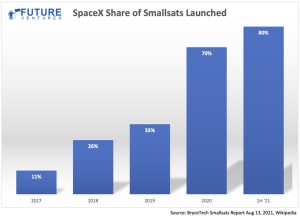
The world has witnessed an unprecedented surge in satellite activity in recent years, raising significant space debris concerns. As nations and private companies launch thousands of satellites into orbit, the risk of collisions and the subsequent creation of debris has escalated dramatically. The increasing number of satellites not only enhances communication and global connectivity but also poses serious threats to ongoing and future space missions.
This rapid expansion can be attributed to various factors, including the demand for high-speed internet, Earth observation capabilities, and advancements in space technology. However, this boom has led to a crowded orbital environment, where even small pieces of debris can cause catastrophic damage to operational satellites.
According to experts, the potential for Kessler Syndrome—a scenario where the density of objects in low Earth orbit is high enough that collisions between objects lead to a cascade of further collisions—has become more probable. This situation could render certain orbits unusable for generations.
To mitigate these risks, it is crucial for both governmental and private entities to develop comprehensive space traffic management strategies. Implementing guidelines for satellite design and end-of-life disposal can help reduce the accumulation of space debris and safeguard the future of space exploration.
Impact of Space Debris
The increasing presence of space debris poses significant risks to both current and future space missions. As satellite activity continues to rise, the potential for collisions in Earth’s orbit has become a pressing concern. Even small fragments of debris can travel at speeds exceeding 17,500 miles per hour, creating a hazardous environment for operational satellites and crewed spacecraft.
Experts warn that a cascading effect could occur, known as the Kessler Syndrome, where collisions generate even more debris, leading to a congested orbital environment. The implications of such a scenario could be catastrophic, affecting global communications, weather forecasting, and navigation systems that rely on satellites.
To understand the gravity of the situation, consider the following:
- Increased satellite launches: The surge in satellite launches, including mega-constellations, amplifies the risk of collisions.
- Fragmentation events: Past incidents, such as the 2009 collision between Iridium and Cosmos satellites, serve as stark reminders of the dangers posed by space debris.
- Mitigation efforts: International organizations are urging for stricter guidelines and measures to manage space debris and prevent future accidents.
Addressing space debris concerns is vital to ensuring the safety and sustainability of outer space activities.
Mitigation Strategies for Space Safety
As the threat of Kessler Syndrome looms larger with increasing satellite activity, experts emphasize the importance of effective mitigation strategies for space safety. These strategies aim to minimize the risks associated with space debris concerns and preserve the orbital environment for future generations.
One of the key approaches involves deorbiting defunct satellites. By ensuring that non-functional satellites are removed from orbit, the likelihood of collisions can be significantly reduced. This can be achieved through:
- Controlled re-entries that guide satellites to burn up in the Earth’s atmosphere.
- Active debris removal missions that capture and dispose of space junk.
Additionally, implementing design standards for new satellites can help minimize the creation of debris. These standards might include:
- Using materials that disintegrate upon re-entry.
- Incorporating technologies that allow for controlled end-of-life disposal.
Collaboration among international space agencies is also crucial. By sharing data and resources, organizations can better track and manage space debris, ultimately enhancing the safety of all space operations.
Future of Space Exploration
The future of space exploration is increasingly tethered to the challenges posed by space debris concerns. As more nations and private entities launch satellites into orbit, the risk of collisions and the subsequent creation of additional debris becomes a pressing issue. Experts warn that without effective management and coordination, we could face a scenario reminiscent of Kessler Syndrome, where the density of objects in low Earth orbit triggers a cascade of collisions.
To ensure the sustainability of space activities, several initiatives are being introduced. These include:
- Enhanced Tracking Systems: Implementing advanced tracking technology to monitor space debris and predict potential collisions.
- Debris Removal Missions: Developing missions specifically aimed at capturing and removing defunct satellites and debris from orbit.
- International Collaboration: Encouraging global partnerships to establish guidelines and share data related to space traffic management.
Despite these efforts, the exponential growth in satellite launches poses a significant challenge. As countries continue to prioritize space exploration for communication, research, and defense, addressing space debris concerns will be vital to safeguarding the long-term viability of our access to space. The balance between innovation and responsibility will determine the success of future missions.
As the number of satellites in orbit continues to rise, space debris concerns have become increasingly urgent among scientists and policymakers. Addressing these space debris concerns is essential to ensuring the safety and sustainability of future space missions.
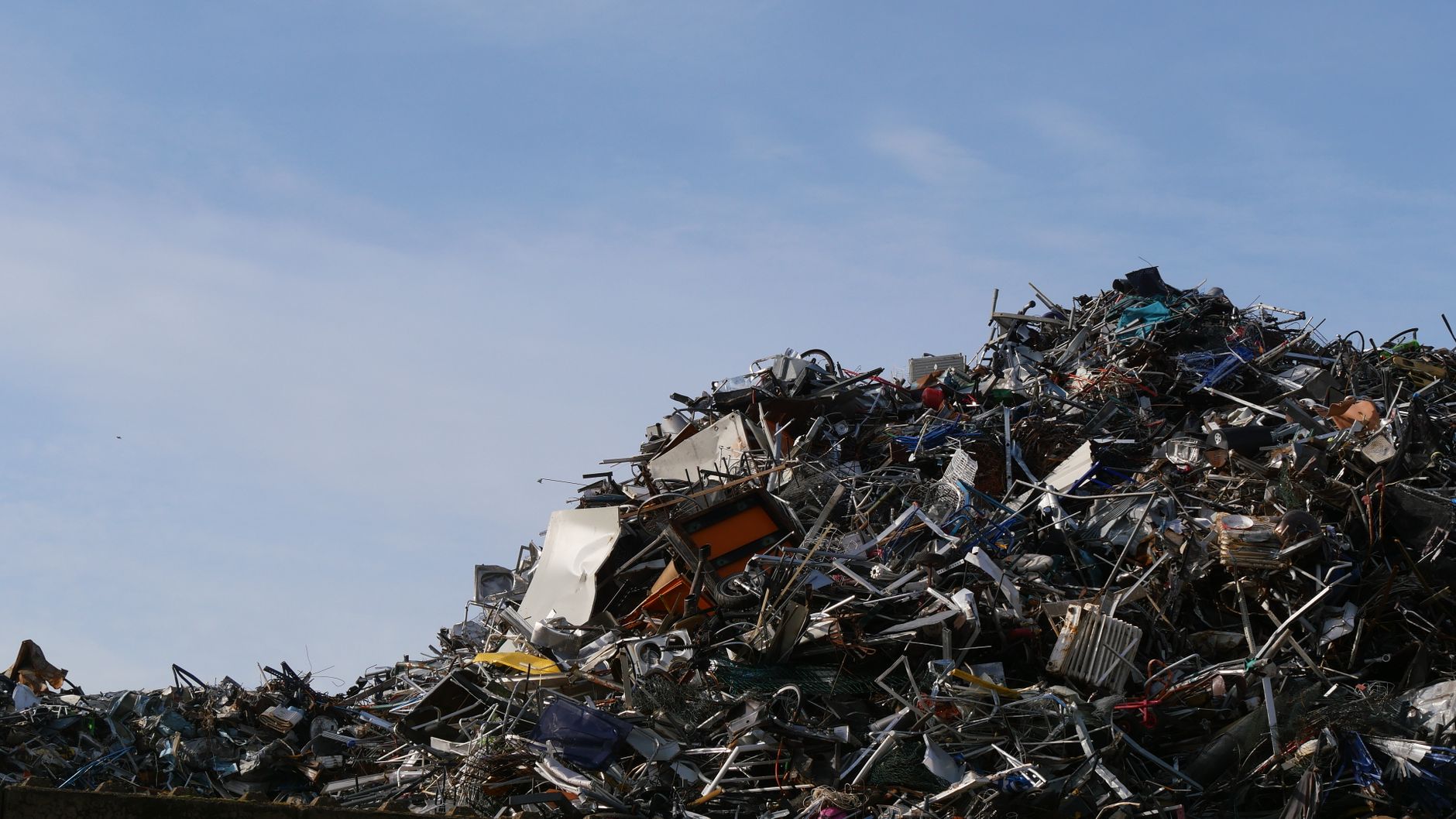
Photo by Franziska Leimkühler on Pexels
Sources
Related stories
AI Adoption in Retail: Proven Strategies for Success · Beats 360 pre-orders: Best deals and cushion kits available · Are GPT-6 Sol and Luna Models the Best New AI Tools?