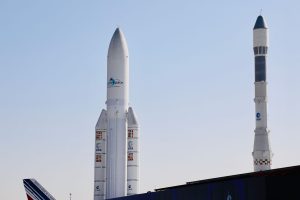

European launch ambitions are being realized as Isar Aerospace successfully reaches orbit, marking a significant milestone for independent space initiatives in Europe.
Isar Aerospace’s Historic Launch
Isar Aerospace achieved a significant milestone by successfully reaching orbit, marking a pivotal moment in the company’s journey and bolstering European launch ambitions. This historic launch not only showcases the technological capabilities of Isar Aerospace but also reinforces Europe’s commitment to establishing an independent presence in the aerospace sector.
The successful mission involved the deployment of multiple satellites into orbit, demonstrating the company’s ability to cater to the growing demand for satellite launches. As the aerospace industry continues to evolve, Isar Aerospace is positioning itself as a key player in the competitive landscape.
Several factors contributed to the success of this launch:
- Innovative Technology: Isar Aerospace’s use of advanced propulsion systems has set new standards for efficiency and reliability.
- Strategic Partnerships: Collaborations with various stakeholders in the aerospace sector have enhanced research and development efforts.
- Commitment to Sustainability: The company emphasizes environmentally friendly practices, aligning with global sustainability goals.
With this launch, Isar Aerospace not only advances its own objectives but also supports broader European launch ambitions. This achievement reflects a growing momentum in the continent’s aerospace industry, promising a future where Europe can independently compete in the global market.
The Future of European Space
The future of European space endeavors looks promising as companies like Isar Aerospace lead the way in shaping the continent’s launch capabilities. With the successful orbit achieved by Isar Aerospace, the foundation has been laid for a new era in the European launch industry, marked by innovation and collaboration.
As the demand for satellite launches continues to grow, Europe is positioning itself as a competitive player in the global market. This shift not only caters to commercial interests but also enhances national security and scientific research initiatives across the region.
Key components of Europe’s launch ambitions include:
- Investment in Technology: Developing advanced launch vehicles that can meet diverse mission requirements.
- Public-Private Partnerships: Collaborations between government agencies and private companies to pool resources and expertise.
- Regulatory Support: Streamlining regulations to facilitate faster and more efficient launch processes.
Moreover, the establishment of a robust infrastructure, including launch sites and ground support systems, is critical to sustaining these ambitions. By focusing on these proven steps, Europe is not just advancing its independent launch capabilities but also paving the way for future innovations in space exploration and satellite deployment.
Challenges in Independent Launch
The journey towards fulfilling European launch ambitions is fraught with challenges that independent launch providers must navigate. One of the primary hurdles is the intense competition from established players in the aerospace industry. Companies with years of experience and substantial resources often dominate the market, making it difficult for new entrants to gain traction.
Moreover, the regulatory landscape poses additional obstacles. Different countries in Europe have varying regulations regarding space launches, which can complicate planning and operations for independent companies. This inconsistency can lead to delays and increased costs, impacting the overall viability of projects aimed at fostering Europe’s independent launch capabilities.
Funding is another critical challenge. While there is growing interest in the space sector, securing sufficient investment remains a significant barrier for many startups. Investors may be wary of the high risks associated with launching rockets and the lengthy timelines involved in developing reliable technology.
Additionally, achieving technological advancements is essential for success. Independent launch providers must continuously innovate to develop cost-effective and efficient launch systems. This requires not only significant financial investment but also a skilled workforce capable of pushing the boundaries of aerospace engineering.
In summary, while the ambitions for independent launch in Europe are promising, overcoming these challenges will be crucial for realizing a sustainable and competitive space industry.
Significance of Reaching Orbit
The significance of reaching orbit cannot be overstated, especially in light of Europe’s expanding launch ambitions. Achieving this milestone not only demonstrates technological prowess but also positions Europe as a competitive player in the global space industry. The successful launch by Isar Aerospace marks a pivotal moment in this endeavor, showcasing the continent’s capability to develop independent launch solutions.
Reaching orbit is crucial for several reasons:
- Economic Growth: A reliable launch capability can stimulate economic growth, attracting investments and creating jobs in the aerospace sector.
- Technological Advancement: Every successful launch leads to advancements in technology, fostering innovation that can benefit other industries.
- National Security: Independent access to space is vital for national security, allowing countries to deploy satellites for communication, surveillance, and research.
- Scientific Research: Launching satellites facilitates scientific research, contributing to our understanding of Earth and the universe.
As European launch ambitions continue to evolve, the successful achievement of orbit serves as a catalyst for future projects and collaborations. This accomplishment not only reflects the determination of European companies but also enhances global partnerships in space exploration and technology.
To achieve their European launch ambitions, companies must prioritize thorough market research and strategic partnerships. By following proven steps to success, businesses can effectively navigate the complexities of their European launch ambitions.
Photo by Monstera Production on Pexels