

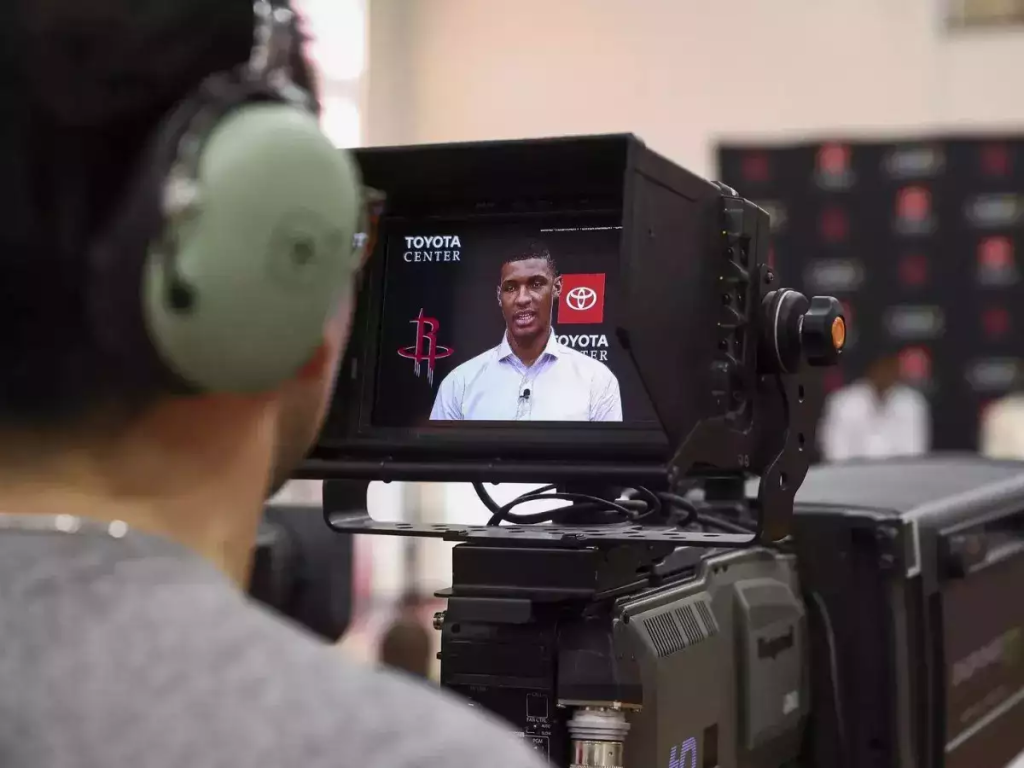
The experience of watching sports has transformed dramatically over the years. Thanks to advancements in technology, sports broadcasting allows live events to reach audiences who are spread out across cities, countries, or even continents. With just a click of a button, fans can be part of the action, cheering for their favorite teams and athletes in real time, no matter where they are.
This article explores the ways in which Sports broadcast (스포츠중계) has become an indispensable tool for connecting fans to the thrilling world of live sports, offering engagement, accessibility, and an enhanced viewing experience.
Accessibility to Live Events
Sports broadcasting breaks down geographical barriers, enabling fans who can’t attend live events to stay connected. Airports, schools, or homes—almost any location with an internet connection can become a front-row seat to live sports. The ease of access ensures that everyone, from passionate supporters to casual viewers, can stay involved without worrying about location or travel expenses.
This accessibility also opens doors for a global audience. Someone in one hemisphere can follow a game happening thousands of miles away, fostering a sense of connection between fans and athletes. This phenomenon highlights how sports broadcasting turns local events into global experiences.
Immersive Viewing Experience
Broadcasting isn’t just about sending live visuals of a game to a screen; it’s about creating an immersive, spectator-like experience. Fans can zoom into the action with close-up shots or experience a 360-degree view of the arena thanks to modern camera technologies. Multiple angles, slow-motion replays, and high-definition quality enhance every moment, capturing the emotional highs and lows that make sports so captivating.
Commentary, statistics, and analysis further enrich the viewing experience, helping fans understand the decisions and strategies that influence a game’s outcome. These elements ensure that remote viewers are just as engaged as those sitting in the stadium.
Real-Time Interaction and Engagement
With broadcasting technologies enabling interactivity, remote audiences can actively participate in the event rather than simply viewing it. Live commentary on social media platforms, polls, or even features like live chats allow fans to share their thoughts, predictions, and emotions. This real-time interaction offers a unique layer of excitement, as fans from around the world discuss their favorite plays and celebrate victories together.
The added ability to access live statistics directly during broadcasts ensures viewers are always in the loop with evolving details. Fans can monitor scores, player performance, and even historical data to place a game in context. This heightened engagement adds depth to the viewer experience.
Connection and Community Building
Sports broadcasting fosters a strong sense of connection within communities. Live streams and accessible broadcasts ensure broader participation, bringing people together regardless of physical distance. Watch parties, for instance, bring friends and families around a screen to share in the experience. Beyond living rooms, public screenings such as those in bars or parks create memorable moments for communities to come together and celebrate their shared love of sports.
Broadcasting makes it easier for fans to maintain their loyalty and attachment to teams. The consistency of live sports ensures regular engagement, keeping morale and enthusiasm high among fan bases.


